
Interlock Maintenance: Cleaning, Re-Jointing, and Sealing Guide
15 June 2026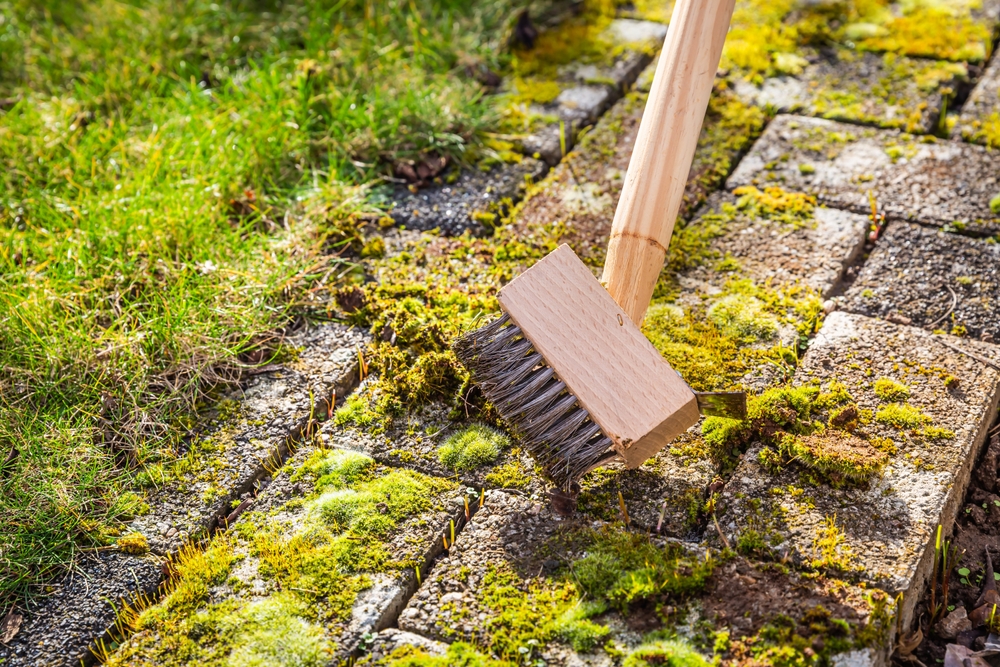
Interlock paving is one of the most popular choices for driveways, patios, and walkways in the Outaouais region, and for several good reasons. It’s durable, attractive, and far easier to repair than poured surfaces. But like any outdoor surface exposed to the elements, it needs regular maintenance to hold up well over time.
Without attention, joint sand erodes, weeds take hold, pavers start to shift, and stains work their way into the surface. A simple annual maintenance routine is enough to keep your interlock looking clean and performing well for decades.
This guide covers the three fundamental steps: cleaning, re-jointing, and sealing.
Key Facts About Interlock Maintenance
- Annual spring cleaning prevents the buildup of moss, algae, and stains that wear down the surface over time.
- Polymeric sand re-jointing is recommended every 3 to 5 years to stabilize pavers and suppress weed growth.
- Sealer protects against stains, joint erosion, and freeze-thaw damage.
- Shifting or sunken pavers should be corrected promptly before the problem spreads.
- Using road salt on interlock accelerates joint breakdown and can cause progressive surface pitting on the pavers.
Why Regular Interlock Maintenance Matters
Interlock isn’t just a decorative surface. It functions as a system, and that system depends on the condition of the joints between the pavers. The sand-filled joints allow the surface to behave like a flexible unit that absorbs the ground movement caused by frost heaving and thawing. When the joints degrade, individual pavers start to shift and the surface loses its structural integrity.
A deteriorating surface isn’t only an aesthetic problem. Uneven pavers are a trip hazard, and water infiltrating beneath misaligned stones can damage the base layer, turning what started as minor joint erosion into a repair project involving significant excavation.
A well-maintained interlock driveway can last 25 to 30 years. Without maintenance, serious deterioration can begin within 10 to 15. Browse our blog for more seasonal guides on protecting and maintaining all types of paved surfaces.
How to Clean Interlock Without Damaging It
Cleaning should be done at least once a year, ideally in the spring after the ground has fully thawed and the last heavy rains have passed.
Why Removing Weeds Before Cleaning Matters
Before washing, pull out any weeds growing in the joints. On surfaces treated with polymeric sand, hand-pulling or a stiff brush usually does the job. On untreated joints, a weeding tool or thermal weeder may be needed. Avoid chemical herbicides, which can stain the paver surface and may affect surrounding soil and vegetation.
Can You Pressure Wash Interlock?
A garden hose and stiff brush handle light surface dirt and deposits well. For heavier buildup like moss, algae, oil stains, or rust, a low-pressure washer can be used carefully. Keep the pressure between 1,200 and 1,500 PSI maximum, and hold the nozzle at least 12 inches from the surface. Higher pressure or working too close will displace joint sand and can damage the paver texture.
How to Remove Oil Stains, Moss, and Rust From Interlock
Motor oil stains need a commercial degreaser applied before washing. Moss and algae respond to diluted white vinegar or a paver-specific cleaner. Efflorescence, the white chalky deposits that sometimes appear on pavers, is treated with a mildly acidic cleaner formulated for masonry surfaces.
When to Re-Joint Interlock Pavers
Joint sand breaks down over time from rain, traffic, and freeze-thaw cycles. When joints show visible gaps or weeds are persistently taking root, it’s time to re-joint.
Polymeric Sand vs. Regular Sand: Which Is Better?
Polymeric sand is the recommended option for modern interlock re-jointing. It contains a binder that hardens when activated with water, creating a firm, erosion-resistant surface in the joint that suppresses weed growth far more effectively than regular sand. It costs more upfront but lasts three to five times longer, making it the more economical choice over time.
How to Apply Polymeric Sand Properly
Re-jointing must be done on a clean, completely dry surface. Spread polymeric sand across the pavers and work it into the joints using a stiff broom in diagonal passes relative to the joint lines, which maximizes penetration into the gaps. Sweep excess sand off the surface, then activate the binder by lightly misting with water according to the manufacturer’s instructions. Allow 24 hours of curing before foot or vehicle traffic.
| Factor | Polymeric sand | Regular sand |
| Erosion resistance | High | Low |
| Weed resistance | High | Low to moderate |
| Replacement frequency | Every 3 to 5 years | Every 1 to 2 years |
| Upfront cost | Higher | Lower |
| 10-year total cost | More economical | More expensive |
Our team specializes in residential interlock installation and maintenance, including re-jointing, sealing, and surface corrections.
Why Sealing Interlock Helps Extend Its Lifespan
Sealer is the final layer of protection against stains, joint erosion, and repeated freeze-thaw damage. It’s not strictly required, but it’s strongly recommended for driveways exposed to vehicle oil, road salt, and de-icers.
When to Apply Sealer on Interlock
Sealer should always be applied to a surface that is freshly cleaned, re-jointed, and completely dry. The best windows are spring, after a thorough cleaning, and early fall, before the first hard frost. Avoid applying in rain, high heat, or windy conditions.
Which Interlock Sealer Should You Choose?
Penetrating sealers absorb into the stone to protect from the inside without altering the surface appearance. Film-forming sealers create a surface coating and may add a slight sheen. For most residential applications, penetrating sealers are the better choice: they protect without changing the natural look of the interlock.
How Often Should Interlock Be Sealed?
A quality sealer should be reapplied every 2 to 4 years under normal conditions. Heavy traffic, intense sun exposure, or frequent de-icer use may require more frequent reapplication.
How Outaouais Winters Affect Interlock Surfaces
The region’s winters are among the most demanding for outdoor surfaces. Repeated freeze-thaw cycles, road salt, and mechanical snow removal can all accelerate deterioration if the right precautions aren’t taken.
The freeze-thaw cycle itself isn’t the problem when the surface is in good condition. Well-maintained joints and a stable base allow the interlock to flex and recover naturally. It’s when joints are already depleted or the base has shifted that winter conditions push small problems into larger ones quickly.
Use sand or fine grit rather than sodium chloride salt on your interlock. Salt attacks joint material and can cause progressive pitting on the paver surface over several winters. If a de-icer is needed, magnesium chloride or calcium chloride is a less aggressive alternative.
When using a snowblower, keep the blade a few centimeters above the surface to avoid catching and lifting pavers. A rubber blade attachment is ideal for interlock surfaces. Shovels should also be angled to slide rather than scrape, which protects both the surface and the joints.
For your other outdoor surfaces, residential asphalt maintenance covers properties that combine both interlock and asphalt.
When to Call a Professional for Interlock Repairs
Some situations go beyond routine maintenance and need a specialist.
A visible depression in the surface points to a problem in the base layer beneath the pavers. The stones need to be lifted, the base regraded and recompacted, and the pavers relaid. This is not a repair that goes well without the right equipment and expertise. Attempting it without the proper tools often leaves the surface uneven or unstable, which often causes the issue to return within a season or two.
A significant number of cracked or shifting pavers call for professional partial replacement so the new stones match the existing colors and patterns properly. Color matching is especially important on older installations where the stones have weathered to a specific tone.
Persistent standing water after rain usually indicates a slope issue or a compromised sub-base that requires deeper intervention. Left unaddressed, it accelerates joint erosion and can eventually undermine the stability of a much larger section of the surface.
For an assessment of your interlock surface or to request a quote, the team is ready to help through the contact page.
For a complete overview of what’s available for all your outdoor surfaces, the residential services page covers all paving, interlock, and maintenance options.
How to Make Interlock Last Longer
The cost of maintaining interlock consistently is a fraction of what it takes to repair or partially rebuild a neglected surface. Most homeowners who stay on top of annual cleaning, re-joint every few years, and seal on schedule find that their interlock holds up with minimal effort and virtually no major repairs for 20 years or more.
The maintenance itself is not complex. It just requires doing it at the right time, with the right materials, and calling a professional when the situation calls for more than routine upkeep.
Frequently Asked Questions About Interlock Maintenance
How often should interlock be maintained?
Annual spring cleaning is recommended for all interlock surfaces. Polymeric sand re-jointing is typically needed every 3 to 5 years, and sealer reapplication every 2 to 4 years depending on exposure and usage.
Can I use a pressure washer on interlock?
Yes, carefully. Keep pressure at a maximum of 1,200 to 1,500 PSI and hold the nozzle at least 12 inches from the surface. Too much pressure or working too close will displace joint sand and can damage the paver surface.
Does polymeric sand completely eliminate weeds?
It suppresses them very effectively but doesn’t prevent them entirely. Wind-carried seeds can still germinate on debris that accumulates on the surface over time. Regular cleaning and periodic sealer application reduce weed establishment further.
Should a new interlock be sealed right away?
No. Most manufacturers and paving contractors recommend waiting 6 to 12 months after installation before applying the first sealer. This allows the pavers to settle and natural efflorescence to dissipate.
How much does professional interlock maintenance cost?
Costs vary by surface area and condition. Cleaning and re-jointing for a standard residential driveway typically ranges from $300 to $800. Sealer application is an additional cost based on the area to be treated.


