
Top 5 mistakes to avoid when clearing snow from paved surfaces
2 December 2024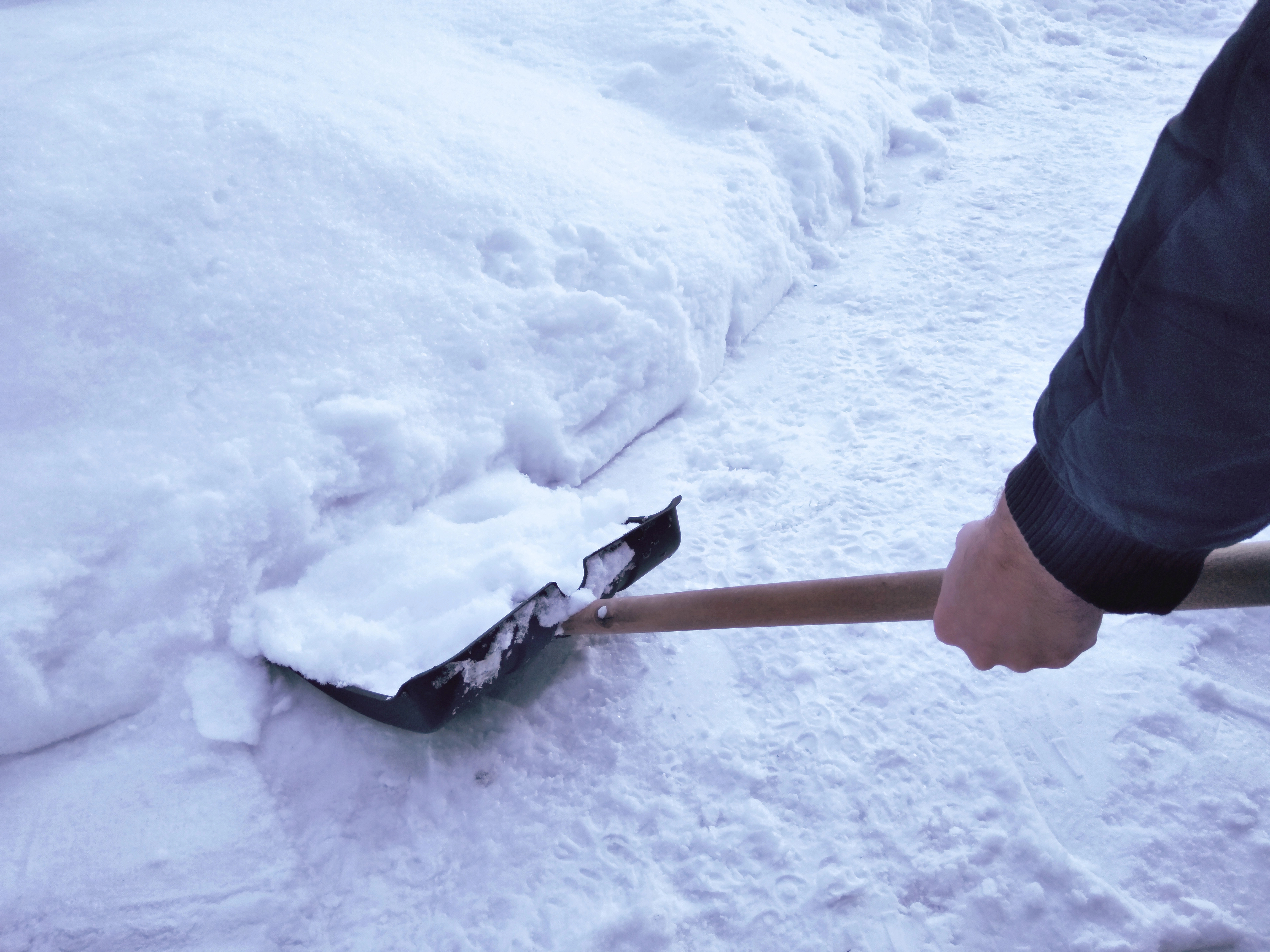
Winter is a demanding season, especially when it comes to maintaining outdoor paved surfaces such as driveways, sidewalks, and garage entrances. Proper snow removal is crucial for ensuring the safety and longevity of these surfaces, but some common mistakes can cause permanent damage. In this article, Pavage Massie in Gatineau presents the mistakes to avoid and tips for properly maintaining your paved surfaces during the winter.
- Using inappropriate de-icing products
One of the most common mistakes is using inappropriate de-icing products. Some people tend to use salt or calcium chloride to speed up the melting of snow. However, these products can be highly corrosive to paved surfaces, especially concrete pavers, natural stone, or asphalt. They can cause cracks, stains, or premature degradation of materials.
Tip: Opt for gentler de-icing products, such as sand or calcium or magnesium pellets, which are less harsh on your surfaces. You can also use eco-friendly alternatives, such as non-chloride salt. - Using overly harsh snow removal tools
Using overly aggressive tools, such as metal scrapers or shovels with metal edges, can cause significant damage to paved surfaces. Scraping too hard can damage joints, crack pavers, or create scratches on the surface.
Tip: Use plastic snow shovels, which are gentler on the pavers while still being effective at removing snow. Avoid metal scrapers unless the snow is excessively frozen, and use them carefully. - Not clearing snow regularly
Some people wait for snow to accumulate significantly before clearing it, which can harm the paved surface. When snow remains in place for too long, it can melt and refreeze, forming ice patches that are harder to remove. These patches can also create stains or damage the joints between pavers.
Tip: Clear snow regularly as soon as it starts to accumulate. This prevents ice formation and helps keep your paved surfaces in good condition. Light, frequent snow removal is more effective than late, heavy clearing. - Not protecting the joints of interlocking pavers
Interlocking pavers are often installed with joints filled with sand or gravel. If snow or ice penetrates these joints, it can weaken them and cause shifting or cracking. Additionally, water that seeps into the joints can freeze, leading to even more significant cracks.
Tip: Remember to protect the joints by sweeping or blowing snow from the gaps between the pavers as soon as possible. You can also apply a sealing product specifically designed for pavers to protect them from moisture. - Using too much force to remove snow
Sometimes, in the rush to clear snow quickly, people apply excessive pressure on the paved surface by using tools or hitting too hard. This can cause cracks or move pavers, especially if the snow is frozen.
Tip: If the snow is frozen, let it melt slightly before attempting to remove it. You can also use non-chloride salt to aid the process. When clearing snow, apply gentle, steady pressure to avoid damaging the surface.
Clearing snow from paved surfaces is essential to maintaining their safety and appearance throughout the winter. By avoiding these common mistakes, you can extend the lifespan of your pavers and maintain a safe and aesthetically pleasing outdoor environment. Adopt the right practices, and remember that consistency and gentleness are key to successful winter maintenance of paved surfaces.


