
Why your pavers sink in the spring
9 February 2026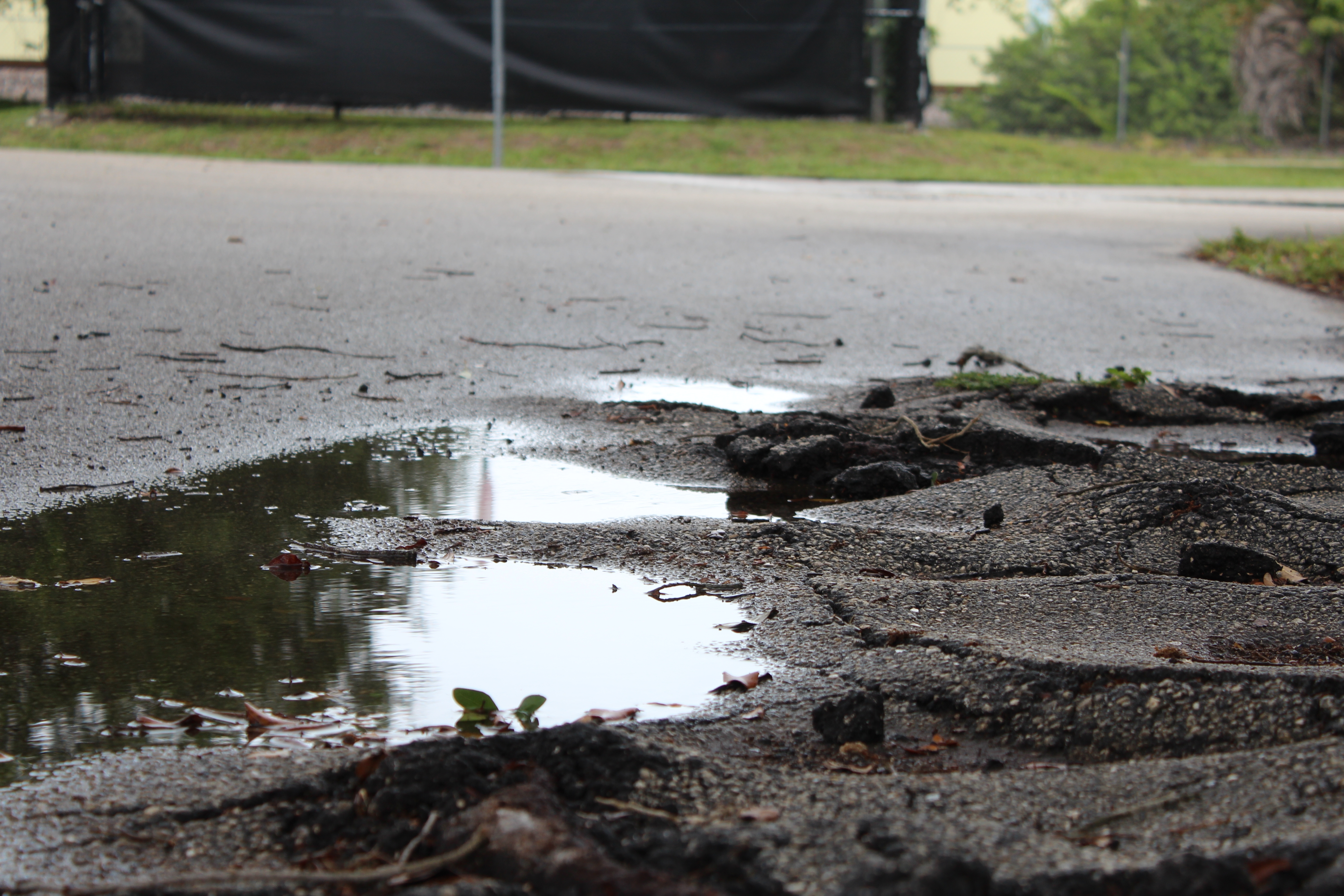
Even though February is still very snowy, it is often the best time to prevent the problems that appear in spring. When the snow melts, water seeps into the ground, and freeze–thaw cycles create movement under your driveway. The result is that some pavers shift, certain areas sink, and the surface becomes uneven.
The good news is that there are simple steps you can take as early as February to limit damage and protect your paving.
-
The real problem: water and freezing
Pavers do not sink “by magic.” The scenario is almost always the same:
- the snow melts,
- water infiltrates the base,
- freezing causes the surface to expand,
- thawing creates a void or settling.
When the base is not perfectly stable or when drainage is insufficient, the movement becomes visible.
-
The areas most at risk
Some parts of a paver driveway are more vulnerable:
- edges, where movement happens more easily,
- parking areas, where there is more weight,
- slopes, where water runs and accumulates,
- garage entrances, where ice and pressure combine.
If you notice small irregularities, they are often the first warning signs.
-
Snow removal affects more than you think
A lot of damage is made worse by poor snow removal practices:
- hitting the surface too hard,
- using a blade set too low,
- piling snow in the same spot all winter.
Tip: keep a small “buffer” of snow and avoid scraping directly on the joints.
-
Be careful with de-icing products
Some salts and de-icing products are very harsh on:
- the joints,
- the surface,
- the color of the pavers.
Safer alternatives include:
- sand,
- small stone,
- paver-safe de-icing products.
-
What you can do starting in February
Without doing major work, you can:
- observe where water accumulates when melting begins,
- clear snow to avoid large piles,
- check edges that seem to be moving,
- plan an inspection as soon as the first thaw arrives.
The earlier you identify at-risk areas, the simpler spring repairs will be.
-
When to plan for realignment
If some pavers become unstable, lower, or uneven, a spring realignment is often the best solution. The goal is to prevent the issue from spreading and to preserve the overall stability of the surface.
In conclusion
February is the perfect month to prevent spring settling. By adopting good habits now, you protect your investment and keep your driveway clean, solid, and long-lasting.


