
Clogged or Damaged Parking Lot Catch Basin: What Warning Signs Should You Watch For?
5 October 2026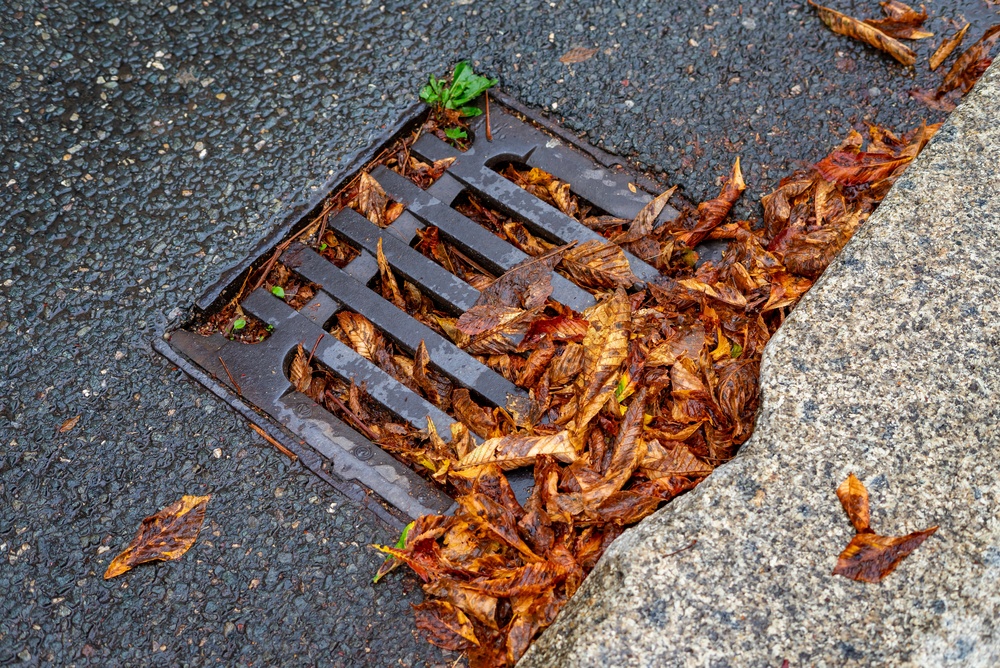
A commercial parking lot catch basin collects surface runoff and directs it into the site’s drainage system. When it is working properly, it is easy to overlook. When it becomes clogged, settles, shifts upward, or deteriorates, the first warning signs often appear on the pavement as standing water, debris around the grate, or damaged asphalt near the drainage point.
In Gatineau and the Outaouais region, commercial parking lots are exposed to leaves, sand, winter debris, snowmelt, and freeze-thaw cycles. A puddle after one intense storm does not automatically mean the catch basin has failed. What matters is how quickly the water drains, whether the problem keeps returning, and whether the grate, frame, and surrounding asphalt show signs of damage.
Key Signs of a Clogged or Damaged Commercial Parking Lot Catch Basin
Before arranging repairs, a property manager can look for several practical signs that help distinguish temporary ponding from a drainage problem. Together, they can indicate whether a closer inspection is needed.
- Water that remains around the catch basin after nearby areas have drained can indicate restricted flow or a surface grading issue.
- Leaves, litter, sand, or other debris covering the grate can quickly reduce the amount of runoff entering the basin.
- A grate or frame that sits noticeably above or below the surrounding pavement can indicate settlement or movement.
- Cracking, crumbling edges, or a depression around the basin may accompany a drainage problem or an issue with the pavement base.
- Heavy sediment accumulation inside the catch basin reduces the space available to collect material carried by runoff.
- A drainage problem that returns after ordinary rain deserves more attention than temporary ponding during an unusually intense storm.
These signs should be considered together. A blocked grate may require simple clearing, while settlement or pavement deformation may point to a larger issue below the surface.
What Does a Catch Basin Do in a Commercial Parking Lot?
A catch basin is an inlet to the stormwater drainage system. Surface water flows toward the grate, enters the structure, and then moves into the connected drainage pipe serving the site. The lower portion can also collect sand and sediment before those materials travel farther into the drainage system.
This function matters on a commercial property because a large paved surface produces significant runoff during rainfall and snowmelt. Proper grading helps direct runoff toward each drainage point in the parking lot.
Pavage Massie’s commercial paving services specifically include catch basins along with paving, excavation, patching, and other parking lot work. That connection reflects the fact that drainage and pavement performance are closely related.
What Are the Signs of a Clogged Parking Lot Catch Basin?
The most obvious warning sign is water collecting around the grate while nearby areas are already draining. Some temporary ponding can occur during heavy rain when runoff temporarily exceeds the system’s drainage capacity. Recurring ponding or an area that drains much more slowly than before deserves closer attention.
The top of the grate should also be checked. Leaves, litter, sand, and other debris can form a barrier that reduces water flow. During winter and early spring, packed snow and ice can also temporarily block a drainage inlet.
A clear grate does not necessarily mean the entire system is clear. If water continues to stand after surface debris is removed, the cause may be sediment inside the basin, a restriction in the connected pipe, an issue with pavement slope, or another drainage problem.
Why Does Water Pool Around a Catch Basin?
Standing water can have several causes. One possible cause is a blocked grate, but sediment can also reduce the capacity available inside the structure. The connected drainage line may be restricted, or the pavement may no longer slope toward the basin as intended.
Asphalt and its base can settle or deform over time under repeated vehicle loads and freeze-thaw conditions. If a depression forms away from the intended drainage point, water may collect even when the catch basin itself is still functioning.
The company’s guidance on how rain affects asphalt explains why proper drainage matters to paved surfaces. On a commercial lot, the catch basin and the pavement profile should therefore be evaluated together rather than as completely separate systems.
How Can You Recognize a Sunken, Raised, or Damaged Catch Basin?
The grate and frame should sit at an appropriate level relative to the pavement around them. If the catch basin has settled noticeably, drivers may feel a jolt when passing over the depression, and a deeper pool of water may form around the structure. If the frame sits above the surrounding pavement, it can create an obstacle for vehicles and pedestrians.
Sunken, raised, broken, or missing catch basin components are all signs that the structure should be inspected.
Look closely at the asphalt around the frame. Widening cracks, broken edges, or a depression that continues to grow may indicate that the surrounding area is no longer stable. A surface patch alone may not solve the problem if the movement involves the base or the catch basin structure.
Can Sediment Reduce Catch Basin Performance?
Yes. Catch basins receive runoff along with sand, soil, grit, and other solid material carried across the pavement. Some of that material settles in the bottom of the basin.
As sediment accumulates, less storage space remains for additional material. Regular inspections can help determine when sediment buildup has become significant enough to require removal.
The amount of sediment varies from one property to another. A high-traffic commercial lot exposed to sand used for winter maintenance and road debris may accumulate sediment more quickly than a lightly used site. For that reason, maintenance should be based on actual conditions rather than a universal cleaning interval.
What Can a Property Manager Check Safely?
A visual inspection can provide useful information without opening the catch basin. After rainfall, observe how quickly water drains from the problem area compared with other drainage points on the property. Check whether the grate is covered by leaves, litter, sand, snow, or ice.
Also examine the pavement around the structure. Cracking, settlement, broken asphalt, or a noticeable change in elevation should be documented. Photos taken over time can help determine whether the condition is stable or getting worse.
Do not remove a heavy grate or enter a drainage structure to investigate it. Internal inspection, sediment removal, and structural repairs require the appropriate equipment and safe work procedures.
Why Does the Pavement Around the Catch Basin Matter?
A catch basin may not drain the area effectively if the parking lot surface no longer directs water toward it. The slope of the pavement is therefore an important part of how the drainage system performs.
Potholes, depressions, and settlement can change the path that runoff takes across a parking lot. At the same time, recurring water accumulation around a damaged drainage point can contribute to deterioration of the surrounding pavement.
That is why drainage should be considered as part of overall parking lot maintenance. The guidance on commercial parking lot repair explains why addressing surface defects early can help prevent them from developing into larger maintenance concerns.
When Should a Commercial Catch Basin Be Inspected or Repaired?
An inspection is appropriate when water regularly remains after typical rainfall, when the grate or frame is visibly damaged, or when the catch basin appears to have moved relative to the surrounding asphalt. Progressive cracking or settlement around the basin is another reason to investigate. If clearing visible debris does not restore drainage, the next step is to determine whether the issue involves sediment, the catch basin structure, the connected pipe, or the pavement itself.
For a property manager, identifying the cause before selecting a repair approach is important. It helps prevent repeated work on the visible symptom while the drainage problem continues.
Conclusion
Problems with a commercial parking lot catch basin often produce visible warning signs: slow drainage, a blocked grate, sediment buildup, a sunken or raised frame, and deterioration of the surrounding asphalt. None of those signs should be interpreted in isolation because drainage depends on both the basin and the paved surface around it.
Pavage Massie performs commercial paving and catch basin work throughout the Outaouais region. If drainage in your parking lot is becoming unreliable or the area around a catch basin is deteriorating, you can contact the team to have the situation evaluated.
Frequently Asked Questions About Clogged or Damaged Parking Lot Catch Basins
Is water around a catch basin normal during rain?
Some temporary ponding can be normal during intense rainfall because the drainage system has a limited capacity. It becomes more concerning when water remains long after the storm or when one catch basin consistently drains much more slowly than the others.
How can I tell if the grate is simply blocked?
Visible leaves, litter, sand, snow, or ice can restrict the flow of water into the grate. If drainage returns to normal after surface debris is safely removed, the obstruction was likely at the surface. Continued ponding suggests that a deeper inspection is needed.
Can a sunken catch basin damage the surrounding asphalt?
Yes. Settlement can change how vehicle loads are distributed around the frame and alter how water collects. Cracks, crumbling asphalt, or a growing depression can develop around the structure and should be evaluated together with the catch basin.
How often should a commercial catch basin be cleaned?
There is no single interval that fits every parking lot. Sediment accumulation depends on traffic, winter sand, debris, site conditions, and the surrounding environment. Regular inspections can help determine when cleaning is needed.
Does poor drainage mean the catch basin must be replaced?
No. Slow drainage can result from a blocked grate, sediment buildup, a restricted pipe, improper surface grading, or pavement settlement. The cause should be identified before deciding whether the appropriate solution is cleaning, a structural repair, or more extensive drainage work.


